At about 10:30 on a Wednesday morning in late May, Rosa Whittaker sets a Hario V60 dripper on top of a 400-millilitre Bodum decanter on her kitchen counter in Toronto, drops in a paper filter, and rinses it with hot water from the kettle.
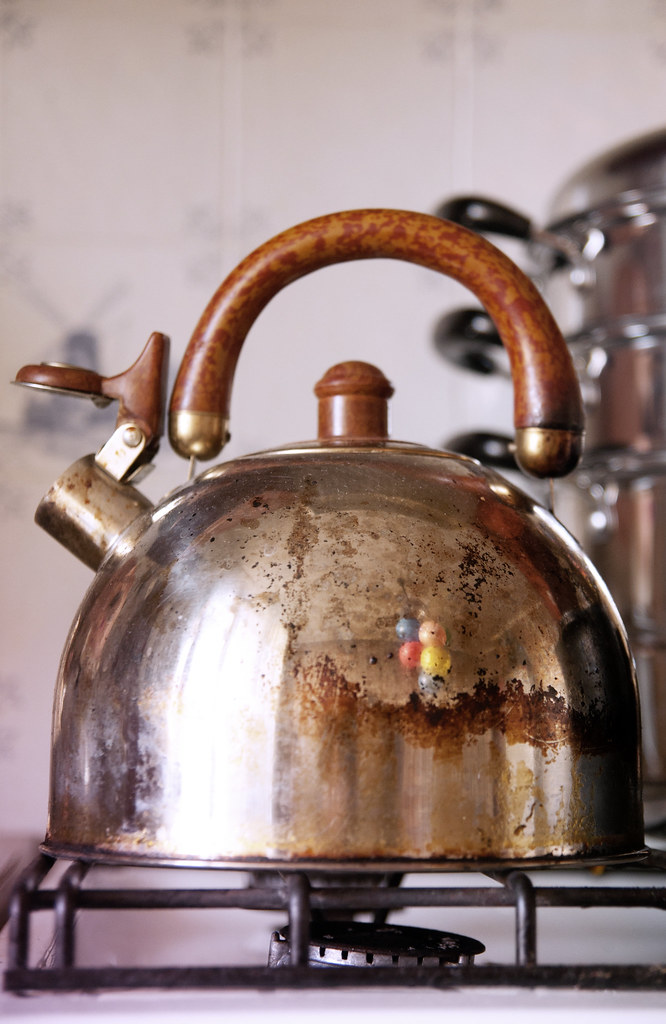
The water has just boiled. She lets it sit for about ninety seconds in a gooseneck pour-over kettle that holds 600 millilitres and is the only piece of single-purpose coffee equipment she owns. The temperature, by then, is about 94 degrees.
She has been making this second coffee, at this time of day, for almost six years. The first coffee is at 7:00 in the morning, from a Bonavita drip machine she has owned since 2014, and it is the coffee that gets her into the day. The pour-over is the coffee that gets her into the afternoon.
She is aware that two coffees a day is two coffees a day, and she has settled the question with her doctor at her annual physical, who has the same routine and was sympathetic.
The pour-over uses 18 grams of beans, ground at setting 22 on the same burr grinder she uses for the drip. The grind is finer for the V60: the size of coarse sea salt, not cracked pepper. She weighs the beans on a Hario drip scale that lives next to the dripper.
The beans are a single-origin Colombian from a roaster on Roncesvalles called Pilot, sold in 340-gram bags with a roast date stamped on the back. The current bag is dated May 18, which makes it nine days old when she opens it on May 27. Coffee, in her experience, is at its best between five and fifteen days after roasting.
The pour itself is in three stages. Forty grams of water first, in a circle from the centre outward, to wet all the grounds and start the bloom. She waits forty-five seconds while the coffee swells and releases its carbon dioxide.
Then 160 grams of water in a slow spiral, also from the centre outward, finishing in about thirty seconds. She lets the level drop for fifteen seconds, then pours the final 100 grams.
The whole pour, from bloom to last drop, takes about three minutes. The total water is 300 grams to 18 grams of coffee, a ratio of about 16.7 to 1, which she has settled on after trying everything from 14 to 18 over the years.
She is reciting these numbers because they are the numbers she actually uses, not because they are the only correct ones. Her colleague at the magazine, Sam Park, uses a different ratio and a different brewing method and the result is also good. There is no one correct pour-over.
What there is, in her experience, is a method that becomes habitual enough that you stop thinking about it. The 16.7 ratio is the ratio she uses without measuring; she could tell by the level in the kettle.
The cup she drinks from is a thin-walled porcelain mug she bought at the Royal Ontario Museum gift shop in 2016. It holds about 300 millilitres, which is exactly the volume of the pour. The mug warms in her hand and cools quickly, which is the property she wants for a coffee she will drink in about ten minutes.
She drinks the pour-over black. Always. The Bonavita coffee in the morning gets milk; the pour-over does not. She thinks this is because the Bonavita coffee is breakfast and the pour-over is mid-morning, and the social meaning of the two cups is different.
Breakfast wants the company of milk. Mid-morning, in her kitchen, alone with a piece of writing or a stack of editing or sometimes just the newspaper, wants the coffee to taste like itself.
The Colombian from Pilot tastes of chocolate, a faint citrus brightness, and something close to almond. These are the notes the roaster lists on the bag, which is also the only time she has ever found a roaster's tasting notes to match what she actually tasted.
She is not opposed to the language of specialty coffee, but she finds most of it overwrought. Coffee, in her experience, tastes of coffee, of varying intensities and balances, and the elaborate tasting vocabulary is more useful for buyers than for drinkers.
What she pays attention to, after the first sip, is the finish. A good pour-over leaves a pleasant astringency on the tongue for about ten seconds after swallowing. A weak one finishes flat; an over-extracted one finishes bitter. The May 27 cup is on the slightly weak end of acceptable, and she suspects she over-bloomed.
She makes a small mental note. Tomorrow she will pour 35 grams of bloom water instead of 40. This is the kind of adjustment she makes constantly and never writes down, because the adjustment is informed by yesterday and not by a notebook.
The dripper, the decanter, the kettle, and the scale all live on a small shelf above the counter, and the entire pour-over setup occupies about a square foot of kitchen real estate. She has used the same V60 since 2018, when she upgraded from a ceramic Kalita Wave that cracked in the dishwasher.
The paper filters cost about ten dollars for a hundred, and she goes through one box about every three months. The decanter has been replaced once. The kettle is the original.
The total time for the pour-over, from rinsing the filter to washing up afterward, is about eight minutes. She thinks of it as a small ceremony she keeps with herself in the middle of the morning, when the apartment is quiet and the work is going either well or poorly.
Either way, the coffee tastes the same. The cup, finished, leaves a faint ring on the saucer. She rinses the dripper, throws the filter and grounds into the compost, and goes back to whatever she was doing.
Filed under