Mhairi Galt had her right rotator cuff repaired on the morning of 12 January, at the Queen Elizabeth University Hospital in Glasgow. She was 64. The surgeon told her she would be in a sling for six weeks and would not be able to lift anything heavier than a kettle of water for ten.
Mhairi has baked bread three days a week for thirty-one years, professionally for nineteen of them. The first thing she thought, in the recovery room, was about her sourdough starter, which she had left in the care of her downstairs neighbor with detailed instructions on the fridge.
The second thing she thought, more slowly, was that she was going to have to learn to cook again.
Her partner Iain, a retired ferry engineer, took on the heavy cooking for the first month. He made stews on Sundays that ran through Thursday. He shopped for the groceries. He did the dishes. Mhairi, who had been the kitchen authority in the house for four decades, sat at the table and read.
By the third week, she was restless. The sling came off for two hours a day for physiotherapy, and she began to use that time to do small things in the kitchen.
The first thing she made, on a Wednesday at the end of January, was a single piece of toast and a soft-boiled egg. The egg took her eleven minutes because she could not steady the pot on the burner with two hands, and she had to use her left hand for everything that mattered.
She was, she said later, surprised by how much satisfaction the egg gave her.
Mhairi began keeping a small notebook of one-handed dishes that worked. The list grew slowly. A baked potato split open with butter and a soft cheese. Scrambled eggs in a small nonstick pan, stirred with a silicone spatula she could grip in her left fist. Porridge with fruit. Soup heated from a container.
She also kept a list of things that did not work, which was useful. Anything that needed two hands to chop. Anything that needed to be drained in a heavy colander. Anything in a Dutch oven, which she could not lift even empty.
The household batterie shrank to what she could manage. The cast iron pans went into a low cupboard. A small enameled saucepan came to the front. A pair of long kitchen scissors, which can do much of the work of a knife for soft vegetables, became her most used tool.
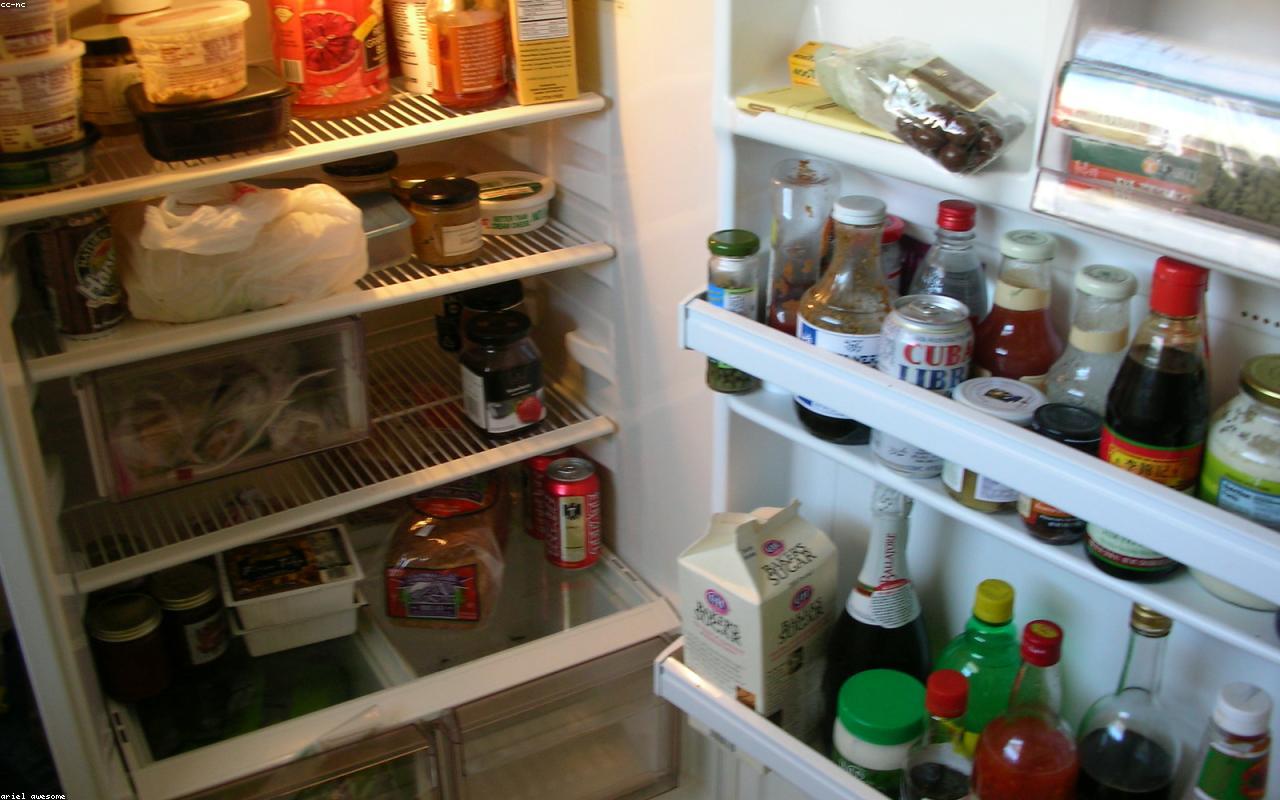
The freezer became more important than it had ever been. Iain, on Mhairi's instructions, made big batches of three soups on alternate Sundays — lentil and lemon, leek and potato, a kind of minestrone with whatever was in the bottom drawer of the fridge — and portioned them into single-serving containers. There was always something hot and soft within thirty seconds of opening the freezer door.
Mhairi was not, in those weeks, baking bread. The kneading, the shaping, the moving of heavy proofing baskets, the loading of the oven — none of it was possible. The starter went into the back of the fridge, fed once a week by Iain to keep it alive.
She did, in the fourth week, manage a small focaccia. The dough was a high-hydration one she could mix in a bowl with a single hand and a wooden spoon, then fold in the bowl three times over two hours. The pan went into the oven empty, and Iain transferred the dough to the hot pan at the right moment.
The focaccia was, by her standards, not very good. It was uneven and the underside was paler than she wanted. She wrote down what had gone wrong and what she would do differently next time.
What she did not do, and is glad she did not do, was try to bake the loaves she had been making the day before surgery. The point of the recovery kitchen, she came to think, was to meet herself where she was and not where she had been.
She also stopped, gradually, apologizing to dinner guests. Her sister Catriona came up from Edinburgh for a long weekend in February, and Mhairi served her soup from the freezer and a piece of bread from the bakery down the road, and they had a perfectly good time.
The hardest meal of the week, she found, was breakfast on weekday mornings, when she was tired and her shoulder was stiff and she just wanted a cup of tea. She solved this by making, the night before, a small jar of overnight oats with milk and oats and a spoonful of jam. In the morning she could eat it with a single hand from the jar.
The shoulder healed, slowly, on the schedule the surgeon had described. By the end of March she could lift a Dutch oven again, with care. By the middle of April she was back to her three loaves a week.
She kept the notebook. There were thirty-one entries by the time she stopped writing in it, and she has gone back to it once or twice since, when a friend was facing a similar surgery.
What she would tell that friend, she says, is mostly the practical things. Move the heavy pans down. Eat from the freezer. Use the scissors. Drink your tea from a mug you can lift with one hand.
But the larger thing, she would also say, is that the recovery kitchen taught her something she had not expected. It taught her that cooking is, finally, just the act of feeding yourself, and that nearly everything else she had stacked on top of it over thirty years could be set aside, for a while, without anyone going hungry.