On the second Sunday of April 2025, Adrian Coate lined up nine bottles of vinegar on the lower shelf of the pantry in his Portland apartment and wrote the date on a small index card. The card was taped to the inside of the cabinet door. Beside it he hung a pencil on a length of kitchen string.
The plan was modest. For one year he would mark a tally next to each bottle every time he reached for it. No judgement, no recipe required. Just a count.
He had inherited the habit of pantry audits from a chef he worked under in Seattle a decade earlier, a woman named Maren Loewe who insisted that any ingredient unused for ninety days was either a mistake or a memorial. Adrian had always thought she was a little harsh. But the bottles had been multiplying.
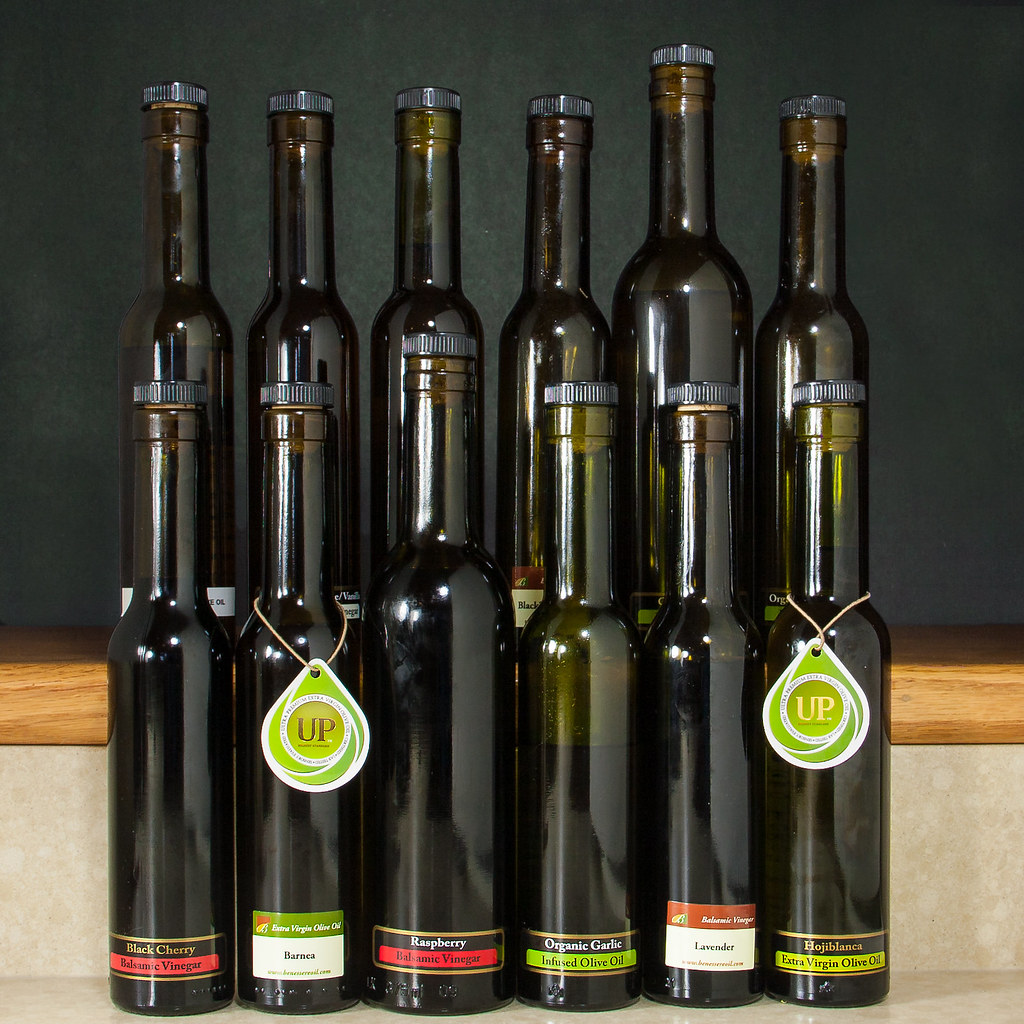
The starting lineup was as follows. A liter of Pompeian red wine vinegar from the grocery on Hawthorne. A 500 ml bottle of Banyuls vinegar he had bought on a trip to a wine shop in the Pearl District in 2023. Two rice vinegars, one seasoned and one not, both Marukan. A bottle of apple cider vinegar with the mother in it, Bragg's, the big one. A pricey 250 ml bottle of aged sherry vinegar from a small importer in Berkeley. Champagne vinegar in a tall green bottle. Black Chinkiang vinegar from the Asian market on 82nd. And a bottle of homemade red wine vinegar started from a leftover Cotes du Rhone two winters before, kept in a ceramic crock with a wooden lid.
By the end of the first month the leaders were already visible. Red wine vinegar, fourteen marks. Rice vinegar, eleven. Sherry, eight. The Banyuls had not moved.
Adrian made a note in pencil beside the Banyuls. Waiting for the right night.
He had bought the Banyuls because a friend, a wine importer named Cosima Aldrich, had told him it was the best thing for finishing a roast chicken pan sauce. He had used it twice. Both times he had been pleased. But the bottle sat on the shelf the way good intentions sit in a notebook.
By August the Chinkiang vinegar had pulled ahead in a way he had not expected. Forty-one marks. Adrian found himself reaching for it for cold noodle dressings, for a quick dipping sauce with ginger and scallion, for splashing into a brothy pot of greens. The Chinkiang had a depth that the red wine vinegar didn't, a smokiness that read almost like balsamic but drier and meaner.
The Bragg's had become a quiet workhorse. Mostly in the morning, mostly into a glass of water with honey, a habit he had picked up from his sister-in-law. Twenty-three marks by mid-summer. None of them in actual cooking.
The homemade red wine vinegar from the crock surprised him. He had assumed it was a charming object that he would admire and rarely use. By September it had thirty-eight marks. The flavor was rounder than the supermarket Pompeian, more grape, less metallic, and he found himself topping it up with the dregs of bottles after dinner parties. The crock, a small bulbous thing he had bought at a yard sale in Sellwood, was becoming the most valuable vessel in the kitchen.
The champagne vinegar got eleven marks all year. It was fine. It tasted like a quieter version of the white wine vinegar he didn't own. He decided in October he would not replace it.
The seasoned rice vinegar got nineteen marks. The unseasoned got forty-four. The seasoned was almost always the wrong choice when he reached for it, because it had sugar and salt built in, which meant any recipe required a recalculation. He gave the seasoned bottle to his neighbor Wendell, who used it for sushi rice on Thursdays.
The sherry vinegar finished the year with sixty-one marks, the highest of any specialty bottle. It went into vinaigrettes, into beans, onto roasted carrots, into a quick pickle for shallots. Adrian had paid eighteen dollars for the 250 ml bottle and had been faintly horrified at the time. By April 2026 he calculated that each use had cost him about thirty cents, which struck him as a bargain for what the vinegar contributed.
The Banyuls finished with five marks. He used the last of it on April 10, 2026, on a roast chicken for two friends, and decided he would not replace it. It was lovely. He simply did not reach for it. There was a lesson there about the gap between what we think we will do and what we actually do, and he tried not to draw it too sharply.
The big Pompeian red wine vinegar got one hundred and forty-one marks. It was the only bottle he had to replace mid-year, in late October, when he opened a new liter and started a fresh tally. Most of these uses were unglamorous. A splash into a pan of sweating onions. A teaspoon into a cup of cold lentil soup to brighten it. A quick deglaze.
Adrian's conclusions, taped to the inside of the cabinet door in April 2026, ran to four lines in pencil. Keep the workhorses. Keep one good thing. The crock is non-negotiable. Stop buying bottles you think you should own.
The pantry now holds five vinegars instead of nine. The Pompeian, the Bragg's, the Marukan unseasoned rice, the Chinkiang, and the sherry. The homemade crock counts as a sixth, but Adrian does not think of it as a bottle. He thinks of it as a small kitchen animal that needs feeding.
When his sister visited in late March 2026 she opened the cabinet and asked where all the vinegars had gone. Adrian showed her the index card with the year of tallies on it. She read it for a long time.
Then she asked if he could send her one for her own pantry. He cut a fresh one from a notecard and gave her his pencil with the string.
Pantry audits are not glamorous. They do not produce a recipe, and they do not photograph well. But the kitchen feels different now. There is room on the shelf for a jar of preserved lemons that Adrian started in February. There is room for an extra bottle of olive oil. There is room to reach for what he uses without moving three other things first.
He has not bought a new vinegar in eleven months. He is in no hurry.
Filed under