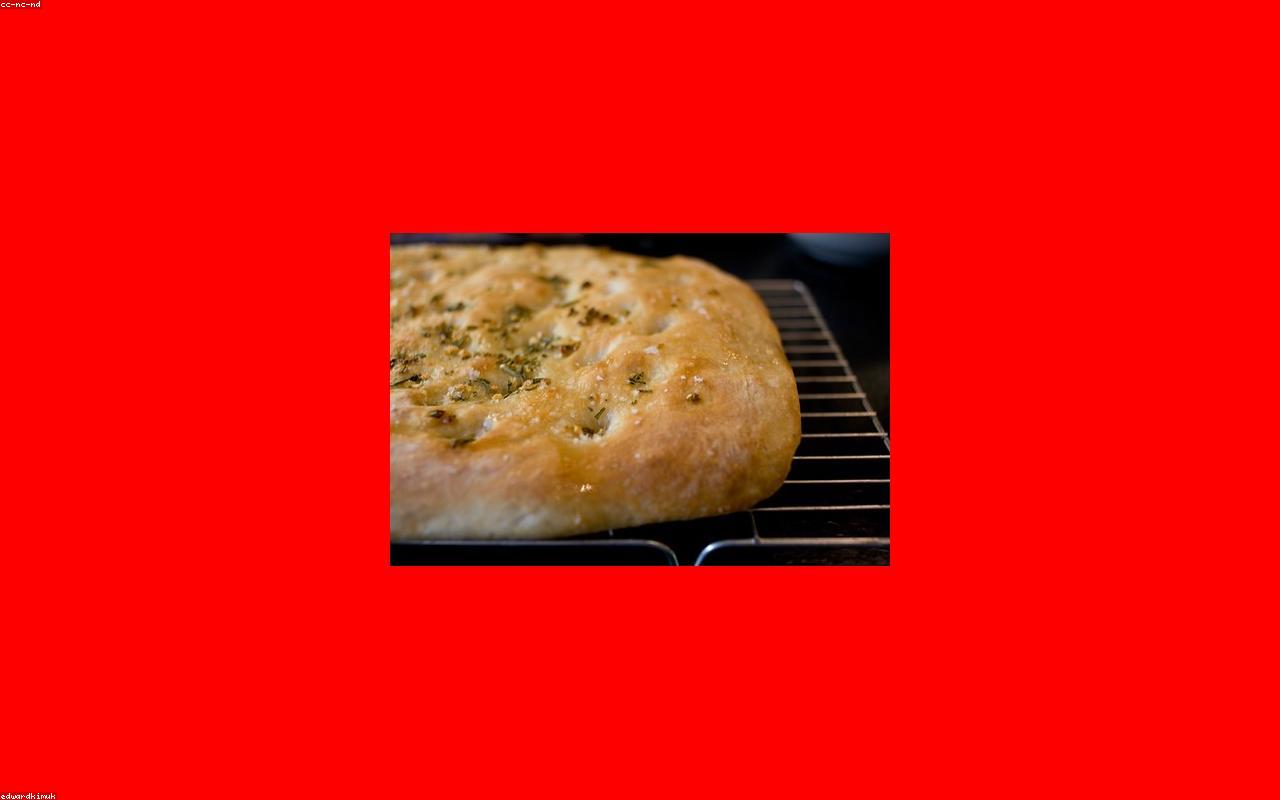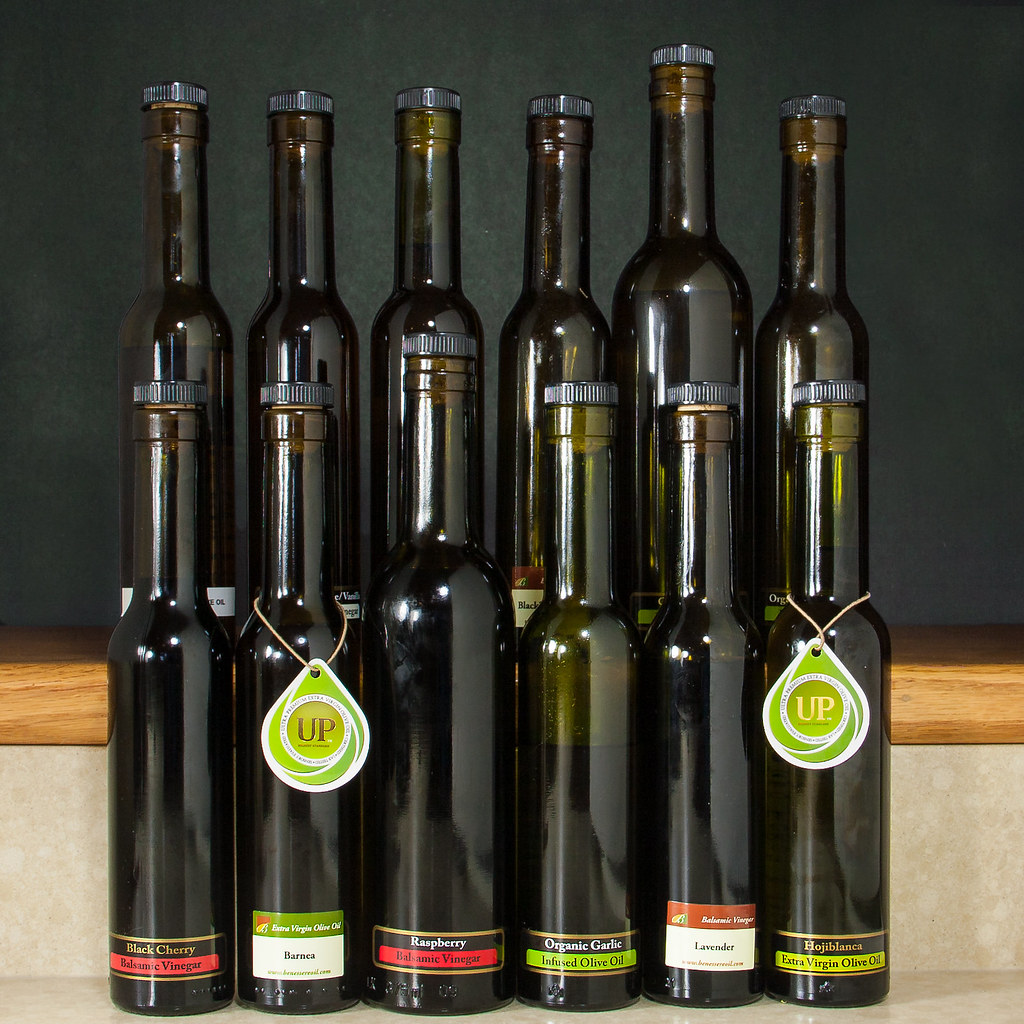
Sam Park keeps two olive oils on the counter beside his stove in his apartment in Jongno-gu, central Seoul. A large tin of California Mission Trail extra virgin for cooking, refilled every six weeks from a bottle in the cupboard, and a small bottle of Sicilian Nocellara from a Palermo producer for finishing. That is the entire olive oil situation.
He has been arriving at this setup for eight years. The arrival was not direct.
At various points his kitchen has held four, five, even six bottles of olive oil. A bottle for vinaigrettes. A bottle for finishing fish. A bottle for raw bread-dipping. A bottle of bulk supermarket oil for the wok. A boutique oil from a Greek island that a friend brought back. They sat on the counter and on the shelf and they did not improve his cooking.
The problem with five olive oils is the same as the problem with five vinegars or five mustards. Each bottle ages from the day it is opened, and most of them spend most of their lives oxidizing on the shelf while you reach for the one you like best.
Olive oil is a fresh ingredient. The label on a good bottle will have a harvest date, sometimes a single estate, occasionally a varietal. From the day the bottle is opened the oil is on a clock. Six months is the rule of thumb, less in a warm kitchen, less still in direct light. The bottle you opened last August and have been using a teaspoon at a time is no longer the oil you bought. It is a tired version of itself.
Sam's argument, made over several years of cooking in a small kitchen, is that the home cook should keep one good cooking oil that gets used up quickly, and one finer finishing oil in a small bottle that does not stay open for too long. Two oils. No more.
The cooking oil should be extra virgin. The myth that you should not cook with extra virgin olive oil is one of the most persistent and least correct pieces of kitchen folklore. Studies from the past decade have shown that good extra virgin olive oil is stable at standard sauté temperatures, that its smoke point is well within the range of normal home cooking, and that its antioxidant content actually helps protect the oil from oxidation. The notion that you should use a refined olive oil for cooking and save the extra virgin for finishing is a marketing convenience.
Sam cooks with extra virgin olive oil. He sautes garlic in it, sweats onions in it, fries eggs in it, roasts vegetables in it, fries the occasional pork chop in it. The oil holds up.
The cooking oil does not need to be expensive. It needs to be reasonably fresh, reasonably honest in its labeling, and reasonably priced enough that you will use it generously rather than parsimoniously. Sam buys a three-liter tin of California Mission Trail oil for about forty-eight thousand won, which works out to roughly the cost of a takeaway lunch. The oil lasts him about ten weeks.
There are other tins he would happily use if the Mission Trail were unavailable. A tin of Greek Kalamata cooperative oil. A tin of Spanish Picual from a major producer. A tin of Italian Sicilian blend at the right price. The point is the tin. The tin is opaque and protects the oil from light. It is also more economical than the equivalent volume in bottles.
Sam decants from the tin into a small dark green glass cruet that lives by the stove. The cruet holds about 250 ml. He refills it every five days or so. The remainder of the tin stays sealed in a cool cupboard.
The finishing oil is the small luxury. A 250 ml bottle of single-estate Sicilian Nocellara, harvested in October 2025, opened in February 2026, finished sometime in May. The oil is grassy and slightly bitter and has the pepper-throat of a fresh new-harvest oil. It costs about thirty thousand won. Sam uses it on top of a bowl of beans, on a slice of bread with sea salt, on a plate of sliced tomatoes in summer. He does not cook with it.
The finishing oil will be different each year. Sam buys it once or twice a year from a small importer in Seoul who specializes in Italian and Spanish oils. He has tried oils from Tuscany, Liguria, Andalusia, Crete, and Lebanon. They are all good. He prefers the assertive Sicilian and southern Italian oils to the milder Ligurian and Tuscan oils, but this is taste, not quality.
The most important thing about the finishing oil is that it gets used. A small bottle that you finish in three months will give you more pleasure than a large bottle that you eke out over two years and which is half oxidized by the time you reach the bottom.
There is a third oil that lives in the cupboard but not on the counter. A bottle of toasted sesame oil for finishing Korean dishes. It is not olive oil and does not belong in this argument, but it deserves the same logic. Small bottle. Used quickly. Replaced when empty. Sam keeps it in the refrigerator after opening, which extends its life.
One mistake to avoid. The clear glass bottle with the artisan label and the cork stopper that sits in the window above the sink looks beautiful and is killing your olive oil. Light is the enemy. Heat is the enemy. Oxygen is the enemy. A bottle in direct sun for two weeks is a bottle of rancid oil. If you cannot bear to hide the beautiful bottle, decant a small amount into a cruet for daily use and store the rest in the dark.
Another mistake. The bottle near the stove that has been there since you moved in three years ago. Open it. Smell it. If it smells like crayons or putty or stale walnuts, it is rancid. Throw it away. Buy a smaller bottle next time.
Sam's apartment kitchen is small. His shelf for oils is one square foot. He has fit his entire olive oil practice into that square foot, plus a tin in the cupboard, and his cooking has only improved.
The two-bottle setup is not a rule. It is a way of thinking about a fresh ingredient as a fresh ingredient. The bottle of olive oil you actually finish, before it tires, is worth more than the bottle of much better oil you ration for special occasions that never quite come.
Filed under